 Rachid Yousfi
Paneer is one of those incredible sources of protein that we often overlook, despite its importance in a balanced diet. Whether we’re at the gym trying to build muscle, following a healthy eating plan, or simply trying to maintain energy throughout the day, protein is essential for the repair and growth of tissues, maintaining strong muscles, and supporting various bodily functions. And while it’s crucial, many of us don’t realize how easy it is to incorporate quality sources of protein, like paneer, into our meals.
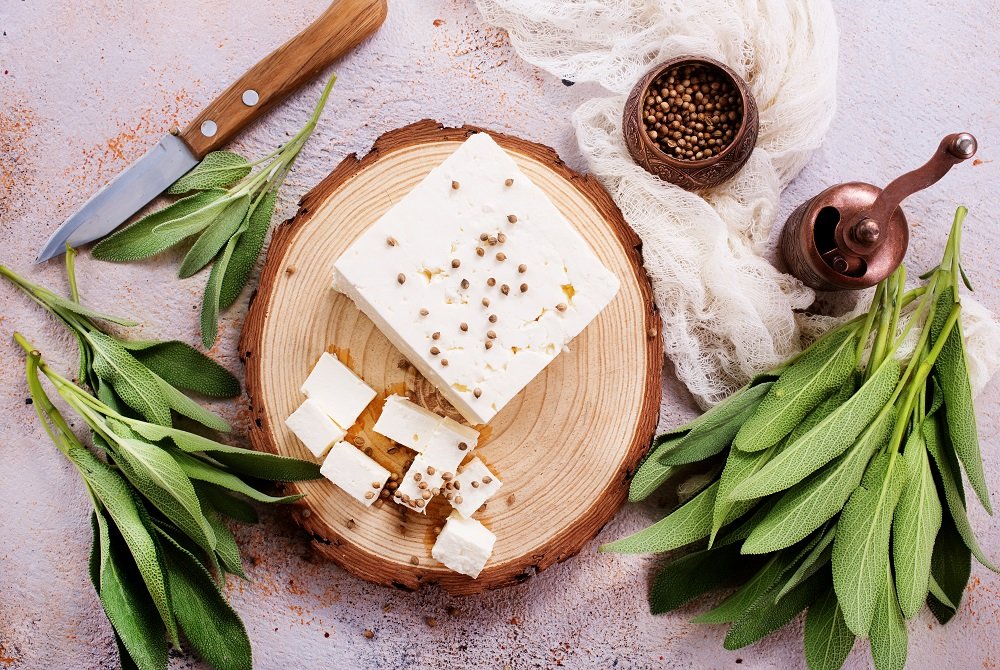
One such source that I’ve come to cherish, though, is often an unsung hero in many kitchens—paneer. This soft, fresh cheese has become a staple in my meals, providing not just the much-needed protein boost but also a delightful texture and flavor. I remember the first time I tried making paneer at home—it was a bit of a messy endeavor, but the end result was worth every minute. Since then, it’s become a constant in my fridge, a simple and versatile ingredient that never fails to surprise me. And let’s face it, it’s so much more than just a “side dish” in curries or salads—it’s a protein-packed ingredient that can stand on its own.
What is Paneer?
Paneer, often referred to as Indian cottage cheese, is a fresh cheese that has been a cornerstone of Indian cuisine for centuries. It’s simple yet versatile, making it an essential part of many vegetarian diets, especially in regions where plant-based proteins are a focal point.
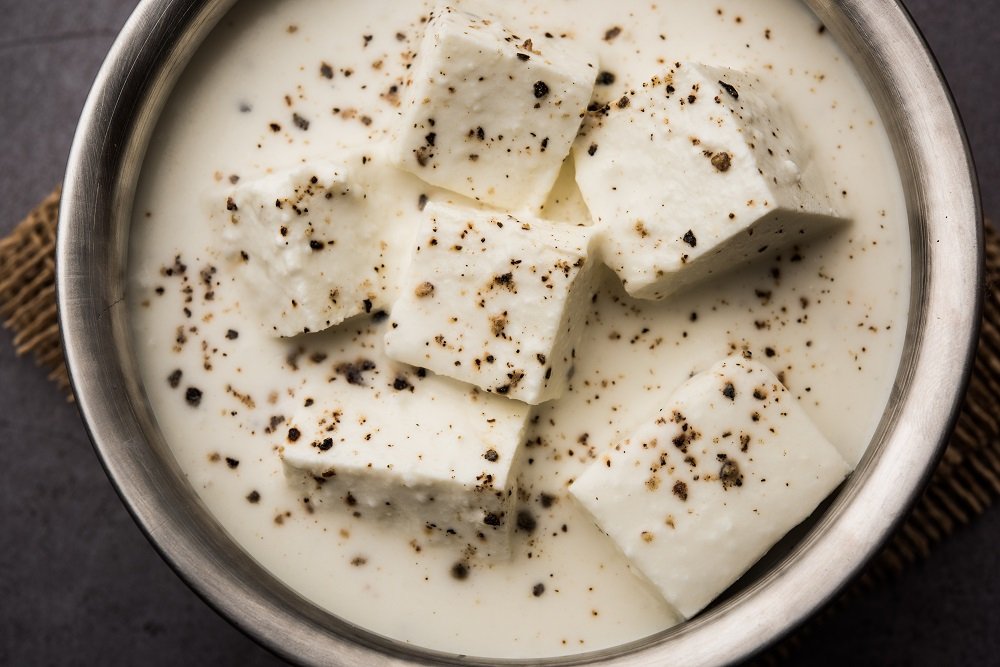
It is made through a straightforward process of curdling milk, where an acidic agent like lemon juice or vinegar is added to milk to separate the curds from the whey. The curds are then collected and pressed into blocks, allowing the excess water to drain out. The result is a soft, spongy cheese that can be cut into cubes or crumbled into a variety of dishes.
Culturally, it holds a special place. It’s a vegetarian’s dream come true, providing a rich source of protein in a cuisine that doesn’t rely heavily on meat. Whether it’s in a creamy paneer tikka masala, grilled as a snack, or tossed into a fresh salad, paneer has a comforting presence on the table. The beauty of it is that it can absorb the flavors of the dish it’s in, adding a mild yet satisfying taste that blends seamlessly into any meal.
Quick Recipes with Paneer
1. Tikka
- Marinate cubed paneer in a mixture of yogurt, spices (like turmeric, cumin, and garam masala), and lemon juice.
- Grill or bake until golden and slightly crispy.
- Serve with mint chutney for a delicious appetizer or snack.
2. Stir-Fry
- Cube the paneer and stir-fry it with your favorite vegetables (like bell peppers, onions, and spinach).
- Add soy sauce and a sprinkle of chili flakes for flavor.
- This quick, protein-packed dish can be served as a main or side.
3.In Curries
- Paneer is often added to rich, creamy curries like Paneer Butter Masala or Saag Paneer.
- The soft cheese soaks up the sauce, making every bite incredibly flavorful.
- Great for pairing with naan or rice.
4. Smoothies
- For a creative and quick breakfast or post-workout snack, blend paneer with fruits like berries or mango, along with a bit of honey and some milk for a creamy smoothie.
- A great way to sneak in extra protein without any fuss.
It adds flavor and protein to your meals with minimal effort. Experimenting with different recipes makes it an enjoyable and nutritious addition to your diet.
Meal Prep Tips
1. Make it in Bulk
- Prepare a batch of paneer at the beginning of the week and store it in an airtight container in the fridge.
- Use it throughout the week in different recipes like salads, stir-fries, or curries.
2. Pre-Marinate Paneer
Check also: Frisée
- Marinate cubes of paneer in your favorite spice mix and store them in the fridge.
- It will be ready for grilling, baking, or adding to dishes, saving you time during busy days.
3. Pair with Other Nutrients
- For balanced meals, pair paneer with whole grains (like quinoa or brown rice) and vegetables.
- This ensures you’re getting a well-rounded meal with all the necessary nutrients, including fiber and healthy fats.
Meal prepping with it saves time and ensures you stay on track with healthy eating. It’s a great way to enjoy nutritious, protein-packed meals every day
Ways to Add Paneer to Your Diet
1. In Salads
- Add cubes of grilled or raw to your salad for an extra dose of protein.
- Pair it with mixed greens, tomatoes, cucumbers, and a simple olive oil dressing for a satisfying meal.
2. As a Snack
- Grill or sauté cubes and enjoy them as a snack.
- Add a sprinkle of salt, pepper, and herbs for an easy, protein-packed bite.
3. In Wraps and Sandwiches
- Add it slices to wraps or sandwiches, along with veggies and sauces, for a delicious and filling meal.
By including it in various meals throughout the day, you can easily boost your protein intake without compromising on taste or convenience!
Is Paneer Really That Healthy?
- The Debate Over its Fat Content
- Paneer does contain fat, and while it’s higher in fat than some other protein sources, the fats are not inherently harmful.
- It provides beneficial fatty acids that the body needs for various functions, alongside high-quality protein and calcium.
- For those monitoring fat intake, it’s essential to balance paneer with other nutrient-rich foods.
Tips for Choosing Low-Fat or Homemade
- Make it at Home
- Homemade allows you to control the fat content. By using low-fat milk, you can significantly reduce the fat while retaining its protein and calcium benefits.
- The process is simple and gives you fresh, unprocessed paneer.
- Look for Low-Fat Options
- Many stores offer low-fat paneer, which can be a great alternative for those watching their calorie intake.
- These varieties typically have fewer calories and fat while maintaining the nutritional benefits.
- Avoid Processed
- Commercially made paneer can sometimes contain extra preservatives or fat. When possible, opt for fresh or homemade versions to ensure you’re getting the healthiest option.
It can be a healthy and nourishing part of your diet when consumed in moderation. It’s all about making informed choices and balancing it with other nutrient-rich foods.
Debunking Common Myths About Paneer
- Is Too Fatty
- While it does contain fat, it’s not a food to be feared. In moderation, the fats in paneer can be part of a balanced diet.
- The key is to enjoy it as part of a well-rounded meal, not in excess.
- Is Only for Vegetarians
- Paneer is an excellent source of protein and calcium for anyone, not just vegetarians.
- It’s a great option for those seeking plant-based protein or looking for variety in their diet.
- Is Unhealthy
- Like any food, paneer’s healthiness depends on how it’s consumed. When paired with a variety of nutrient-dense foods, it offers a wealth of health benefits.
Don’t be misled by common myths—it is a versatile and nutritious food that can be enjoyed by anyone. Embrace it in moderation as part of a balanced diet.
In conclusion, it is a protein-packed food that offers a range of health benefits—from muscle repair to bone health. While it does contain fats, these are not something to fear when consumed in moderation. The key is choosing high-quality paneer, whether homemade or low-fat, and balancing it with other wholesome foods in your diet.
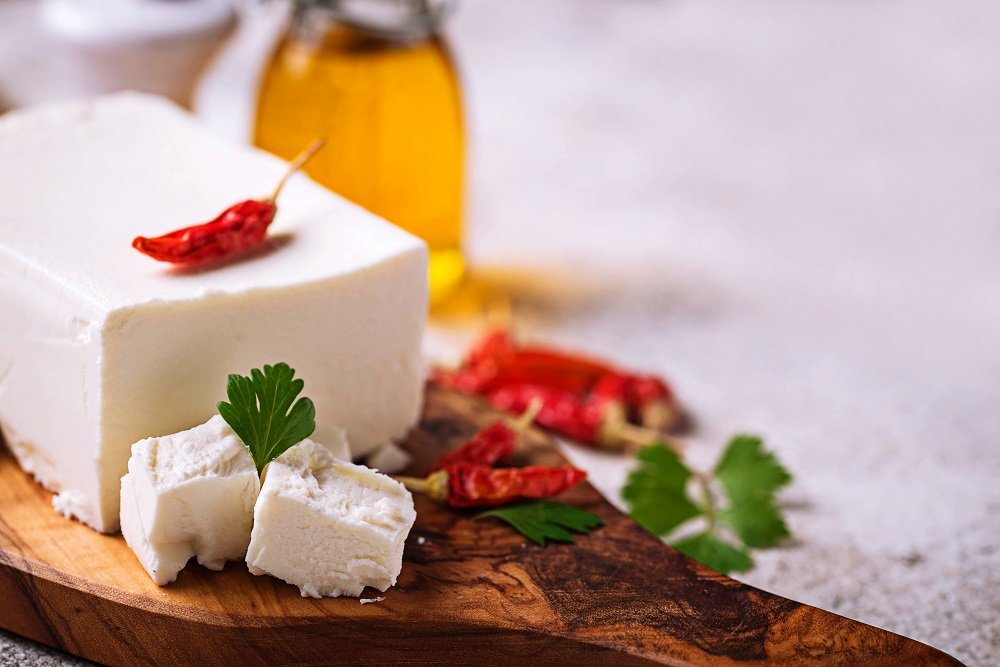
Its versatility makes it easy to experiment with in the kitchen, whether in curries, salads, sandwiches, or even smoothies. So, why not get creative and explore how this simple ingredient can elevate your meals while boosting your protein intake? Happy cooking!